Childishness in High Places
When our now adult sons were children, they reveled in antagonizing each other. If one wanted to go to the movies and see Batman, the other, just to annoy his brother, insisted on Star Wars. If one wanted to eat at McDonald’s, the other, of course, preferred Burger King.

One summer day, while driving down the interstate highway with my family, I was completely caught off guard when our oldest son showed some consideration for his younger brother. I had asked him, he was about 7-years-old at the time, where he wanted to have lunch. He then sweetly turned to his little brother and said, “Where do you want to have lunch?”
My wife and I casually glanced at each other with triumphant looks. At last, our good parenting skills were paying off. Our sons were finally learning to get along and be considerate of one another.
Our younger son thought for a moment and then said, “I want to eat at Arby’s.” The words were barely out of his mouth when his brother replied, “Let’s go to McDonald’s.”
Well, so much for our good parenting skills!
When I see the dysfunction of our legislative branch of government today, my mind drifts back to when our sons were little children and took pleasure in disagreement just to get under the other’s skin. They argued and fussed with one another only in an attempt to outdo the other. Their behavior revealed childishness, which in turn short-circuited their ability to make compromises and work out their differences. As parents, we recognized that a 7 and a 5-year-old had a lot of growing up to do, and we tried patiently, sometimes not so patiently, to help them to develop their interpersonal relationship skills.
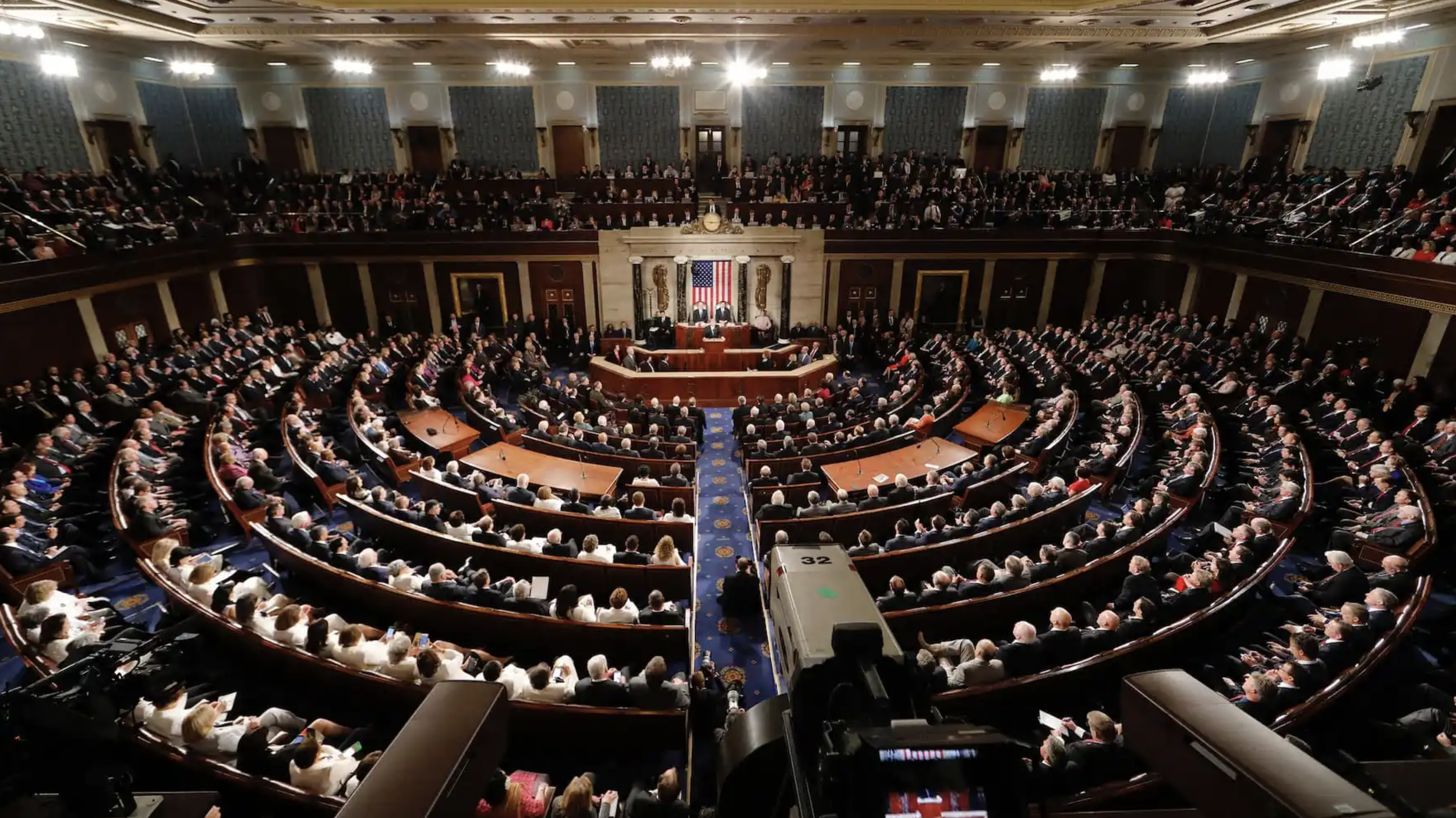
Now it’s one thing for little children to be immature; it’s quite another thing for the behavior of Congress to imitate that same immaturity. One would think that grown-ups in the legislative branch of government would have no problem working together to make sure that the 40 million Americans, who depend on the Supplemental Nutrition Assistance Program (SNAP), have adequate food. But that’s not the case. The congressional members appear to take more delight in simply annoying and disagreeing with their political opponents than they do solving the nation’s problems.
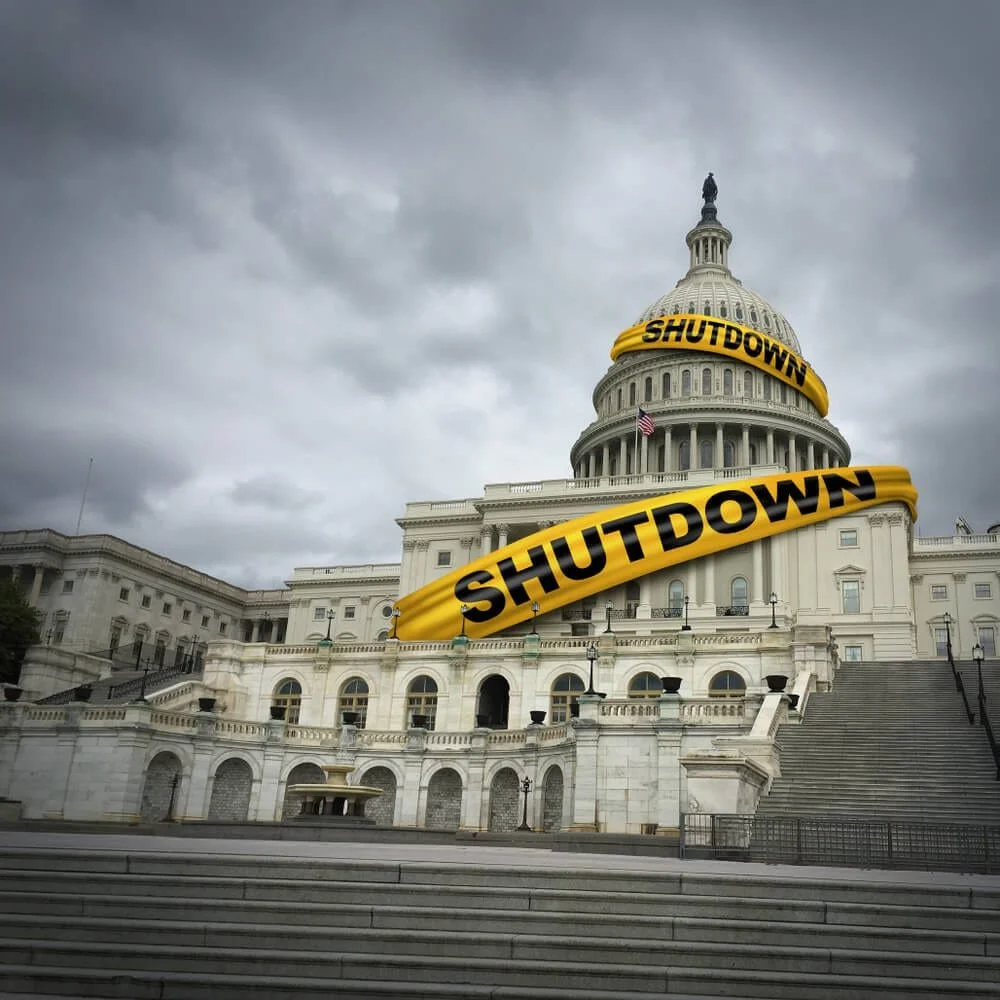
Poll numbers show that Americans have lost confidence in their government and believe that America’s political system is broken. Surveys reveal that Americans are disgusted with both political parties, which helps to explain low approval ratings for all three branches of government—legislative, executive, and judicial. The fact that the government has been shut-down for over a month now, apparently because there are no adults in the room to help the congressional children solve their squabbles, serves to validate the public’s frustration.
While Congress has been on vacation, still being paid mind you, the government is in free fall. Federal civilian workers are not receiving pay checks, food assistance programs are in jeopardy, and even air traffic controllers are working without pay. Moreover, perhaps even more troubling, day after day passes without congressional oversight of the executive branch, giving almost unlimited power to the president, something that would have been anathema to the Founding Fathers. The three branches of government were intended to act as checks and balances so that one branch would not dominate the others. The words of the British historian Lord Acton warn us that “Power tends to corrupt, and absolute power corrupts absolutely.”
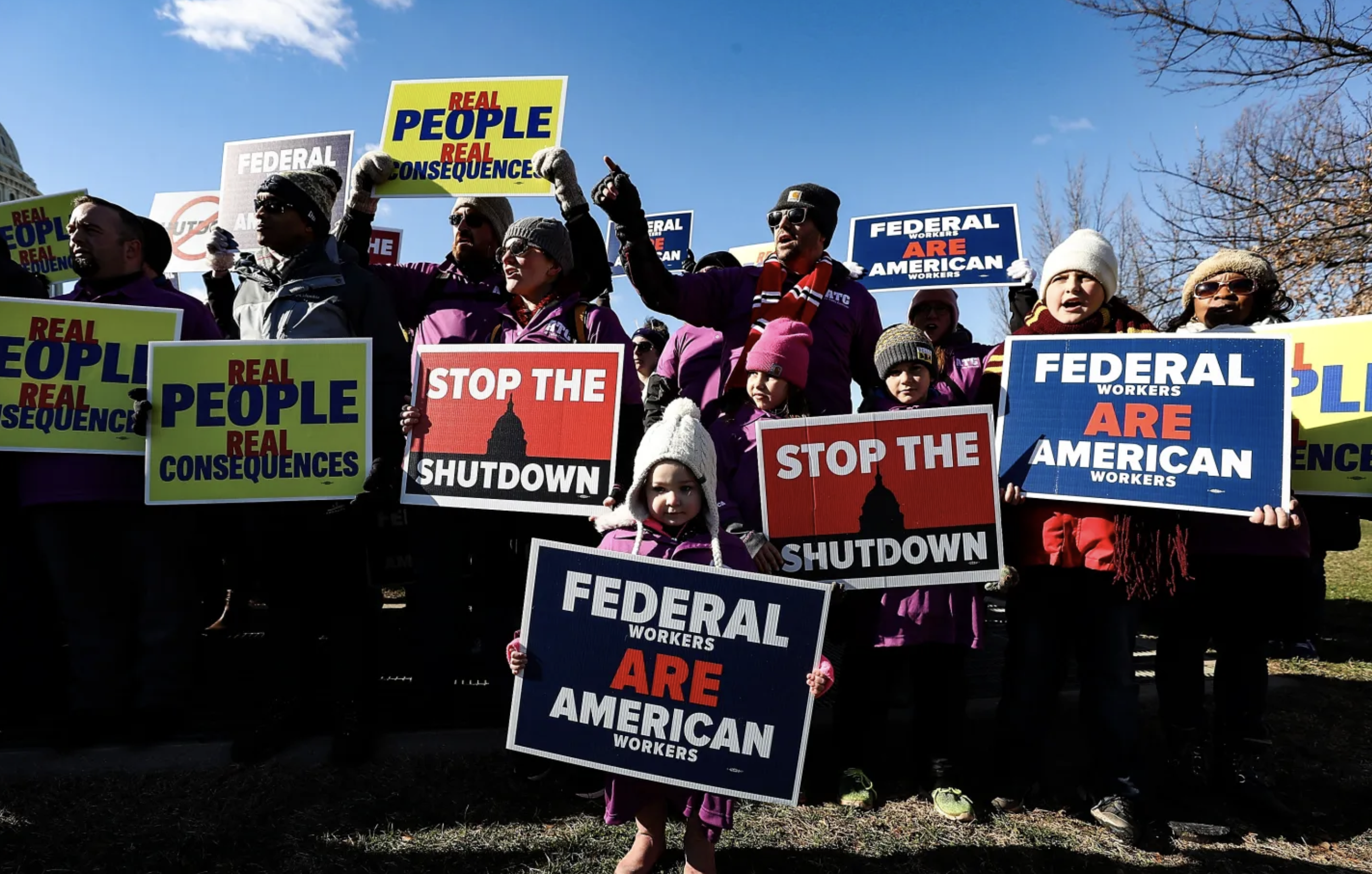
Hopefully, the judges’ order for the government to continue the SNAP benefits during the shutdown will not be overturned. The majority of the food assistance program helps seniors, children and the disabled. To put to rest any ideological fake news that one party benefits more than another in food assistance, the truth is that SNAP assists about 8.5 million registered Democrats and a little over 7 million Republicans, not counting the children. In other words, SNAP provides benefits to people on both sides of the political divide.
But the government shutdown is affecting more than just the SNAP program. If Congress doesn’t intervene, insurance subsidies for millions of Americans will expire by the end of this year. Contrary to what many people have heard, without the subsidies insurance costs will increase dramatically, making it impossible for millions of lower income people to afford insurance premiums.
Why can’t Congress simply get their act together and pass legislation to continue the insurance subsidies? In a country as rich as America, where some people enjoy unimaginable wealth, health care should be a given for all Americans. After all, America’s greatest strength is our citizenry.
Years ago, I read Tip O’Neill’s wonderful biography Man of the House. He gives an inside look into the workings of the House of Representatives, where he served for a decade as Speaker of the House. I was enthralled by the civility and comradery of the House members. O’Neill tells of how the two parties socialized with one other most every afternoon after their sessions. After a long day of debate, sometimes rather heated, the members would meet at a local pub and down a few beers, tell jokes, and enjoy each other’s company. Tip O’Neill observed that one of the reasons that Congress accomplished as much as it did was because the members enjoyed and respected each other and, consequently, were able to work out their differences.
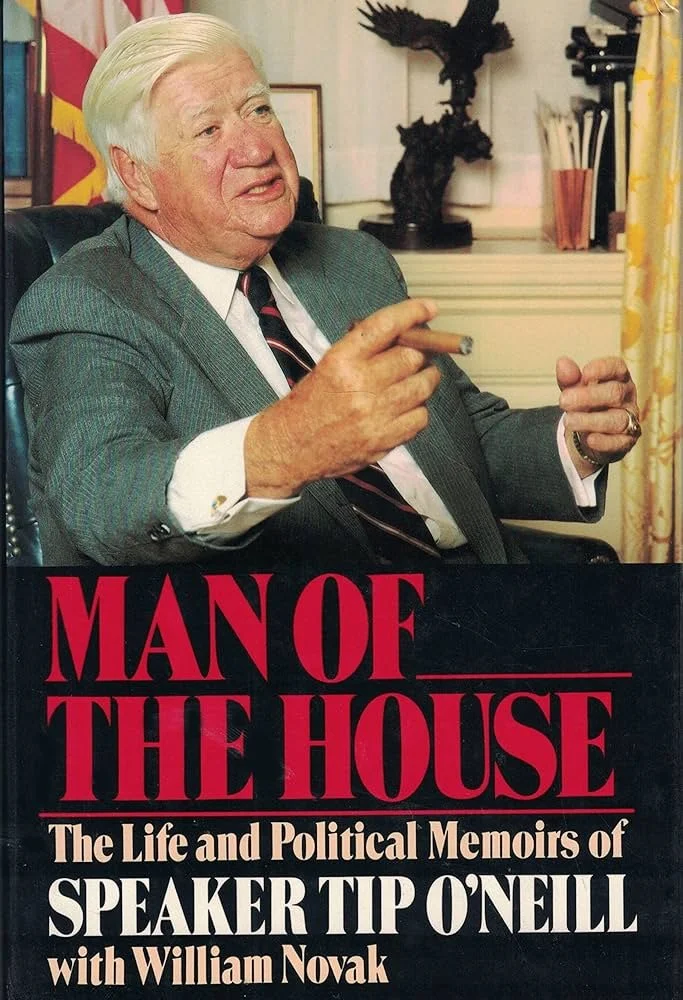
Tip O’Neill’s description of how U.S. House members ironed out their differences models the way democracy is supposed to work. Representatives of both parties recognize that, regardless of political differences, Democrats and Republicans love our country and are trying to do what’s best for their constituency. No one party claims to have a corner on truth.
Today’s Congress is, tragically, radically different. The unwillingness of Congress to function as a democratic institution—making compromises, negotiating, passing legislation, and being an equal partner in our political system where all three branches of government check and balance the other—is deeply disturbing.
Our system of government has worked fairly well and been the envy of the world for almost 250 years. Do we really want to turn our backs on a representative government of the people, by the people and for the people?