Jesus: The Most Misunderstood Man
In a few days, over 2 billion people around the globe will celebrate the birth of Jesus. They will adhere to various ideologies, traditions, and even religious beliefs. They will speak different languages, represent diverse cultures, and observe Christmas in distinctive ways.

Some Eastern Orthodox Churches, for example, will honor the birth of Christ on January 7th, almost two weeks later than the Western Christmas on December 25th. Some churches will have midnight mass, while others will worship on Christmas morning. The one thing all Christians will have in common, though, is the belief that the child born in Bethlehem was in some unique way God’s presence with us.
The birth, life, death, and resurrection of Jesus marked the turning point in world history, which is remarkable since he came from such a humble background. He was born into a peasant family, never traveled far from home, never wrote anything down, never owned property or anything of material value, never held a political office, and was wrongly executed by the Roman state. And at the time of his death, to add insult to injury, he had fallen out of favor with the general populace and was even abandoned by his closest friends.
Yet, three hundred years after his birth, the Roman Empire would embrace Christianity as the state religion. Countless acts of charity and hard-to-imagine atrocities would be committed in his name. In the centuries after his death, the name of Jesus would be called upon by both saints and villains as a means to trumpet divine approval. He would become the most misunderstood man who ever lived.
We are not, however, clueless as to the kind of person Jesus was nor are we left in the dark regarding his message. The four Gospels, Matthew, Mark, Luke, and John provide remembered words of his teaching and insightful fragments of his character. These four books are the only primary sources that contain eye witness accounts of what Jesus said and did during his earthly life.
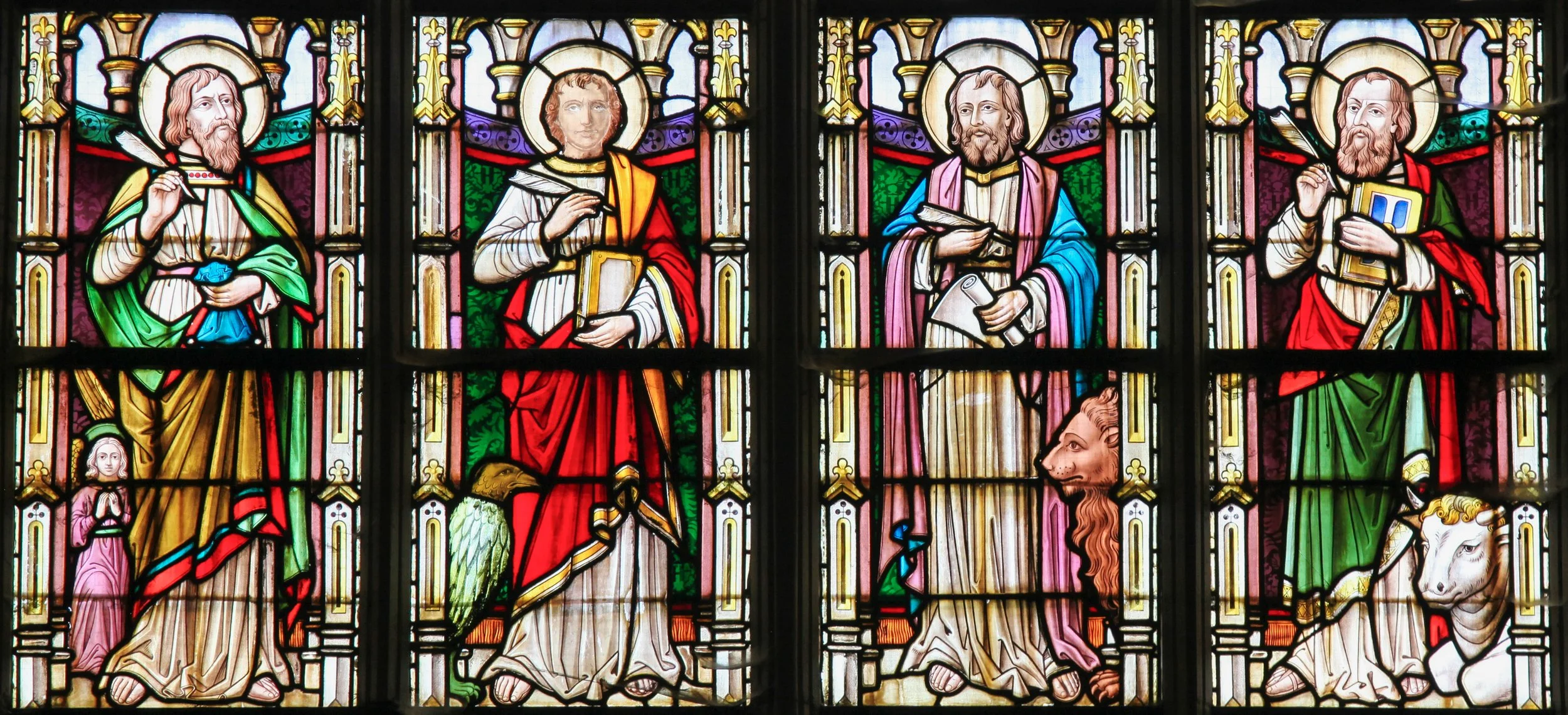
The Gospels are relatively short books. All of them together can be read in less than 4 hours. What surprises some people is how readable the Gospels are. They are not heavy theological tomes filled with abstract theories or abstruse language. The Gospels are comprised of beautiful stories or parables, moral and ethical lessons, and picturesque images of God’s love and compassion for all peoples.
What troubled me over the years of my work as a pastor is how few Christians have actually read the Gospels and how little they know about what Jesus said. What a remarkable privilege to turn to one of the Gospels and reflect on the teachings of Jesus or take to heart one of his many parables. Yet all too many Christians have little knowledge or understanding of what it means to be a follower of Jesus.
Did you know:
That Jesus asked people to share with the needy without fanfare or praise (Matt. 6:1-4). For Jesus, “To whom much is given, much is required” (Lk. 12:48).
That he taught his followers not to hate (Matt. 5:43-48).
That he taught that prayer was to be a private matter of the heart and not something done as a public demonstration of piety (Matt. 6:5-8). Maybe prayer in school classrooms is not such a good idea after all?
That he welcomed and associated with outcasts, tax collectors, women of the world, even people of a different faith (Lk. 4:18-19;Lk. 6: 20-21). All people are precious to Jesus, and he was especially attentive to the lonely, sick, poor, and forgotten.
That he supported paying taxes (Mk. 12:17).
That he warned against judging others (Matt. 7:1-5).
That he boiled the Ten Commandments down to two—love of God and love of neighbor (Matt. 22:37-39). Well, so much for hanging the Ten Commandments in school classrooms!
That Jesus taught that we are not to retaliate against those who wrong us (Matt. 5:38-39). Acts of retribution against others are a no-no.
That Jesus was most decidedly woke. Just read the Beatitudes in Matt. 5: 3-12 or the Parable of the Workers in the Vineyard (Matt. 20:1-16) or any of the Gospels. To follow Jesus means to care for your fellow human being and be sensitive to their situation in life.

The Sermon on the Mount is Jesus’ central teaching, but it is only the prelude to his overall mission. Throughout the Gospels Jesus invites any who would follow him to a radically new way of life, one that is grounded in love for God and one’s neighbor. Parables such as the Good Samaritan, the Sheep and the Goats, the Prodigal Son, the Talents, the Rich Young Ruler, the Widow’s Mite and so many others run counter to human nature’s lust for power, greed, and materialism.
The heart of what Jesus stood for can be found in his challenge to the disciples when he called them to lose their lives in order to find them (Mk. 8: 34-35). Followers of Jesus do not live for themselves but for the well-being of others. How out of sync with the modern culture!
Well, if you’ve read this far, you probably realize by now that Jesus doesn’t fit into any modern-day political camp or ideology. One well-known contemporary political figure went so far as to say that the teachings of Jesus just won’t work.

Of course they won’t work if your goal in life is the accumulation of more and more, if your ambition is to lord it over others. But Jesus had an answer for our acquisitive and power-hungry nature, too. Jesus warned, “What does it profit a man to gain the whole world, yet lose his soul?” (Matt. 16:26) How tragic that some people are so broke the only thing they have going for them is money!
All the money and power in the world, Jesus tells us, can’t satisfy the longing that lies deep within every human being. Only by following after Jesus will the emptiness be filled. Bowing before the manger in Bethlehem is a start, but celebrating Christmas Day is just the beginning!