What Makes a Champion?
My dad believed that participating in sports at an early age was a great way to prepare a young boy or girl for the challenges of life. I am grateful that he encouraged and supported me in athletic pursuits. Sports can teach us so much about life. During formative years sports teach good sportsmanship, humility, courage, discipline, teamwork, hard work, the importance of fairness and honesty, how to win and lose with honor, and so much more.
Over the past week or so, we have watched athletes from countries all over the world compete with one another at the highest level. We have seen record breaking performances, athletes achieve success who were not expected to, and athletes fail who were favored to win. Competition in the Winter Olympics has indeed mimicked life. Just like the real world, sports seldom turn out the way we expect.
The 2026 Winter Olympic Games have not disappointed. The competition has been fierce and the comradery among the athletes has been heart-warming. The young men and women—actually, one or two of the medalists have been over 40-years of age—have trained most of their lives to have the honor of competing against the best in the world.
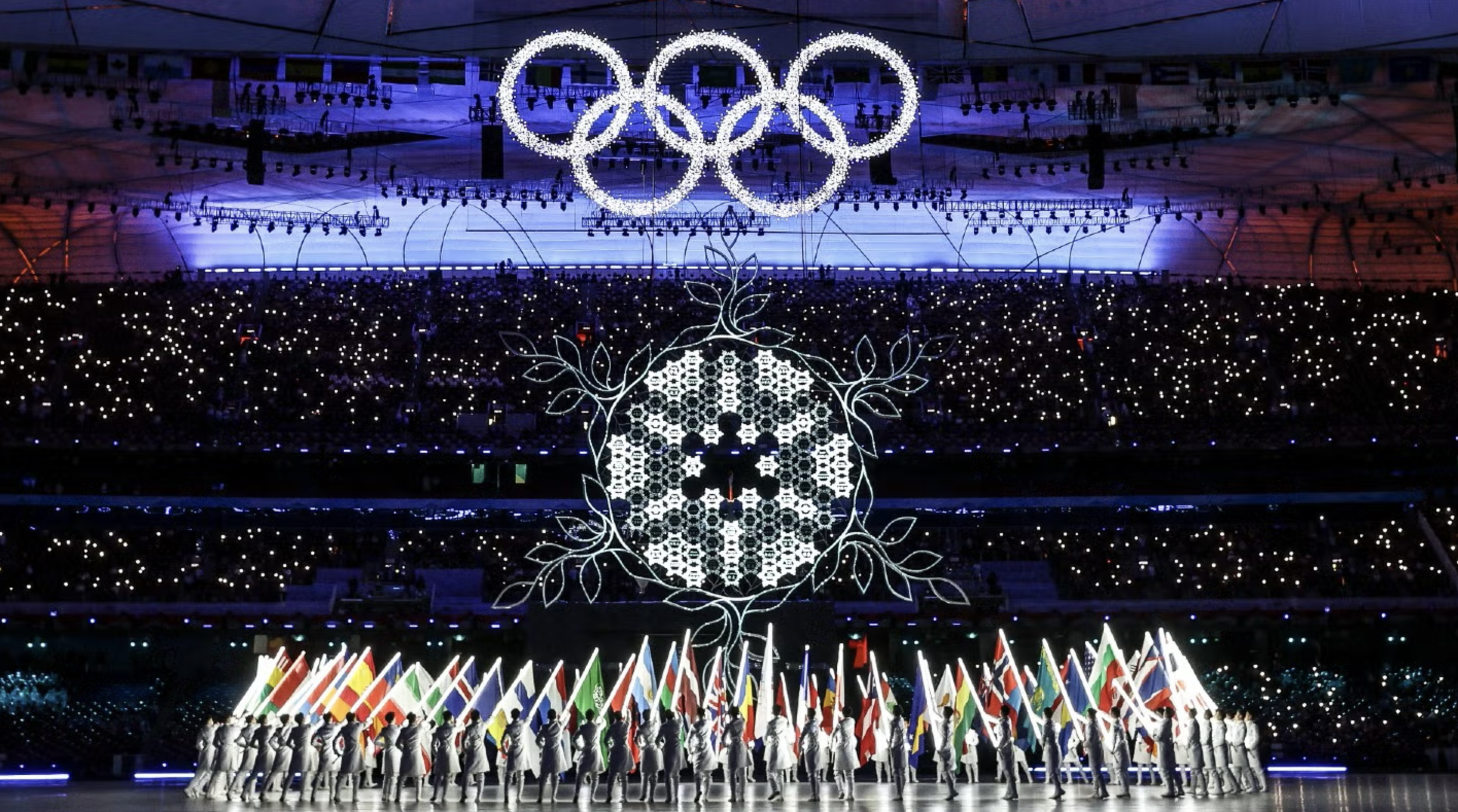
When I see the athletes congratulate each other, regardless of whether they win or lose, I’m reminded of what the Olympics are all about. Sure, every one of the competitors desperately wants to win, but at the end of the day, the Olympics are about bringing people and nations together.
Athletes learn through competition and comradery that in spite of their cultural, religious and language differences, they have far more that binds them together than divides them. Promoting understanding and peace among the nations of the world has often been relegated as secondary by television viewers of the Games, while winning a medal for one’s country has been seen as the primary metric of success.
I, too, feel a sense of pride when an American finishes on the medal podium and naturally feel disappointment when one loses. In reality, however, most of the athletes will not win a medal for their country. But what they can achieve far surpasses the winning of a gold, silver, or bronze medallion: They can build bridges of goodwill and understanding that will far outlast the momentary joy of standing on the podium.
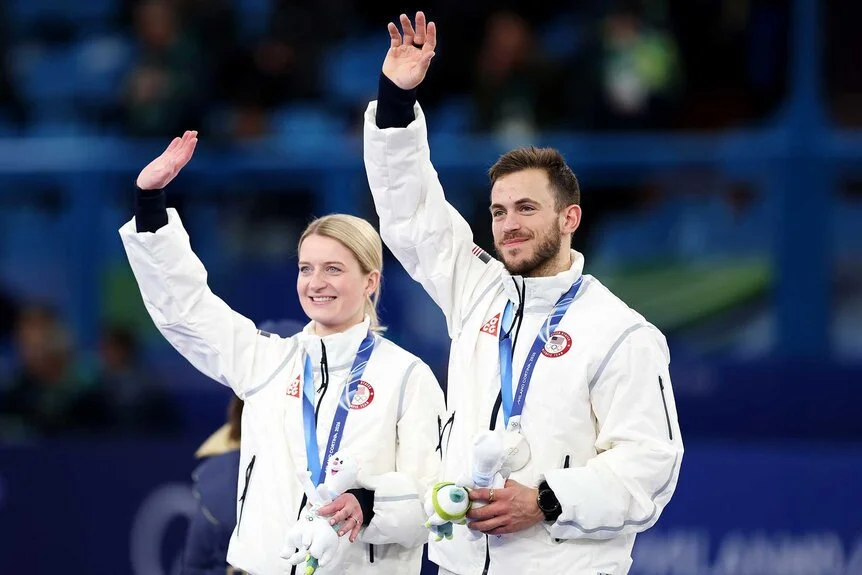
Last week, I wrote about the figure skater Maxim Naumov whose parents were tragically killed last year in a plane crash near Washington D.C. My wife and I watched Maxim skate in the preliminaries and were moved by his skill and passion on the ice. His performance was high enough to earn him a spot in the finals, and although he was not favored to win a medal, he certainly won our hearts. The ovation from the fans in the arena was deafening. No contestant received a more thunderous applause. They knew how much he had to overcome just to be there.
While Maxim’s final performance fell beneath his expectations, I had to fight back tears as he walked off the ice with the heartfelt applause of thousands of spectators. He will forever be an Olympian, and he fulfilled the dream he and his parents envisioned since the first time Maxim put on a pair of skates.
Illia Malinin, nicknamed the “Quad God” because he is the only skater to ever land a quadruple axle in competition, was heavily favored to win the gold. In the short skate he easily outdistanced his rivals and had a substantial lead going into the finals. Then disaster fell upon the brilliant skater. He fell twice and finished in 8th place. When his routine concluded the 21-year-old burst into tears.
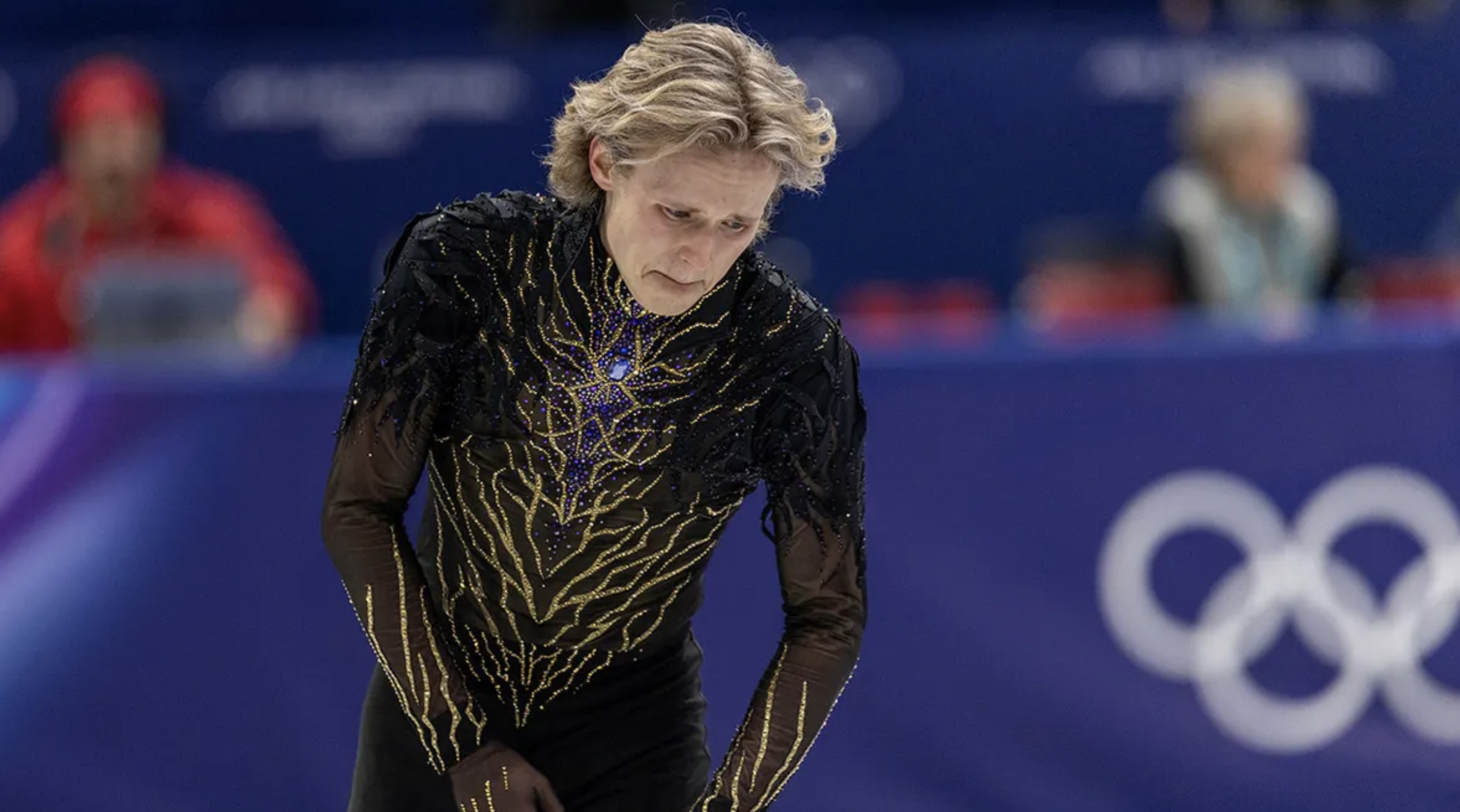
The disappointment must have been overwhelming. To have worked so hard, to have spent years in training, only to skate far below his potential must have been devastating. So, what did Illia do? He walked over to Mikhail Shaidorov of Kazakhstan, the gold medal winner, and congratulated him! Wow! No sour grapes, no excuses, no belittling the other contestants or judges, Illia did what champions do. He accepted his failure with grace and congratulated the winner. I bet Illia will be back!
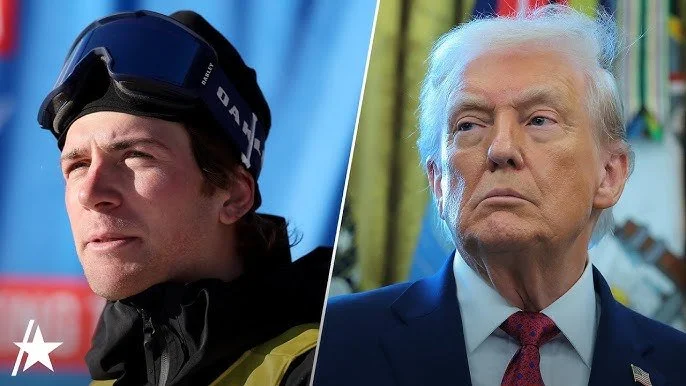
The U.S. free skier Hunter Hess made quite a stir when he admitted that he had “mixed emotions” about the pride he felt for his country. He confessed that in America there was “a lot going on that I’m not the biggest fan of.”
Hunter’s remarks were in reference to the chaos that ICE agents have created in our country. Unarmed citizens have been shot and killed by federal agents, children have been placed in detention centers far away from their parents, ICE agents have broken into people’s homes without warrants, and smashed car windows and dragged occupants out. These unlawful tactics have contributed to feelings of disappointment that most Americans feel about the direction of our nation. How can anyone be a fan of this brutal behavior?
The President took exception to Hess’s comment and called him a “loser.” I wish President Trump had bit his tongue and remained silent. Hunter is anything but a loser. He has spent years training and disciplining his mind and body to compete in the Olympics. He has made sacrifices that few of us can even fathom. His platform as an Olympian, plus his American citizenship, gives him the inherent right to criticize the President’s policies.
The Winter Olympics will be winding down this week. The final events will take place, the last of the medals will be awarded, and the athletes will head to their respective homes. Another four years will pass before they gather again for the next Winter Olympics. I will miss their performances and their stories.
I love watching the men and women who have given so much to their sport compete against one another. The effort these athletes put forward, win or lose, exemplifies the human spirit. The drive to be our best, to fight against the odds, and to overcome disappointment and failure makes the human species a remarkable being. These athletes prove that our potential is only limited by our failure to try.
Some of these competitors will return for the Winter Games in four years and test their skills once more against the best in the world, while others will retire and begin careers and families. The experiences they have gained through training and competition, winning and losing, will serve them well for the rest of their lives. Whether they stood on the medal podium or not, each one is an Olympian—a champion! And we’ve been fortunate to have shared a small part of their journey.