America Can Change
Nihilism is the mind-set that says that whatever is lower
is more real. Selfishness, egoism and the lust for power
drive human affairs. Altruism, generosity, honor, integrity
and hospitality are mirages. Ideals are shams that the
selfish use to mask their greed. Disillusioned by life, the
cynic gives himself permission to embrace brutality.
The New York Times columnist David Brooks penned these words in his final opinion piece on January 30, 2026. The article was titled, Time to Say Goodbye. After 22 years, writing as a moderate Republican journalist, Brooks has decided to move on to other career challenges.
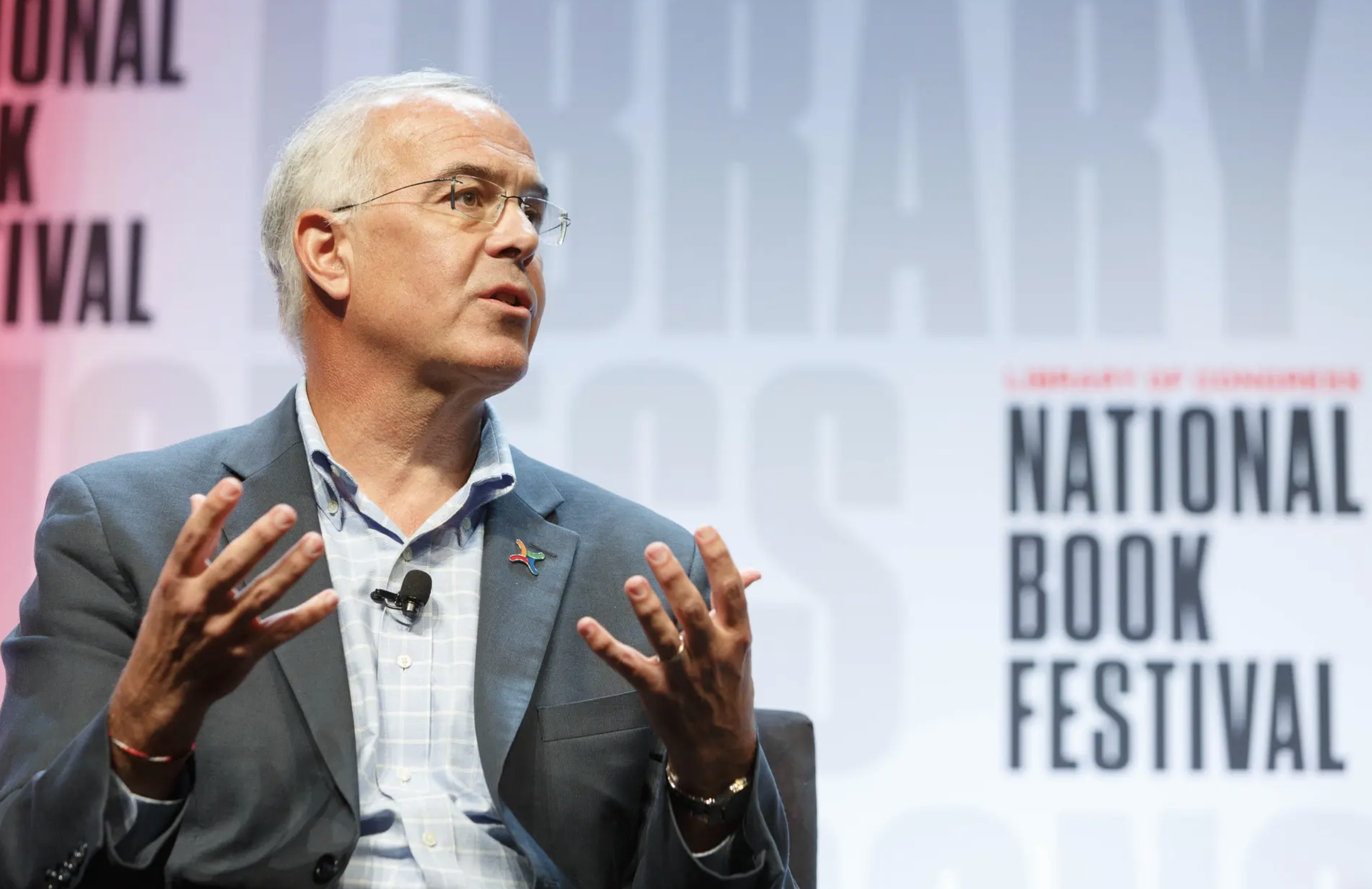
I found his farewell article one of the most insightful perspectives of present-day America that I have read. It is a heartbreaking view of how our country has changed over the past several decades, but it also provides a glimmer of hope. We live in troubling times, but there is a path forward. America has recovered from troubling times before. Maybe we can again.
Over the years, I have enjoyed reading Brooks’ opinion pieces, finding them both intellectually stirring and exasperating. Like every writer I read, sometimes I strongly agree with his views, while other times I shake my head in frustration at what I thought were his narrow perspectives. Regardless of how I viewed his essays, however, I always found them thought provoking and engaging.
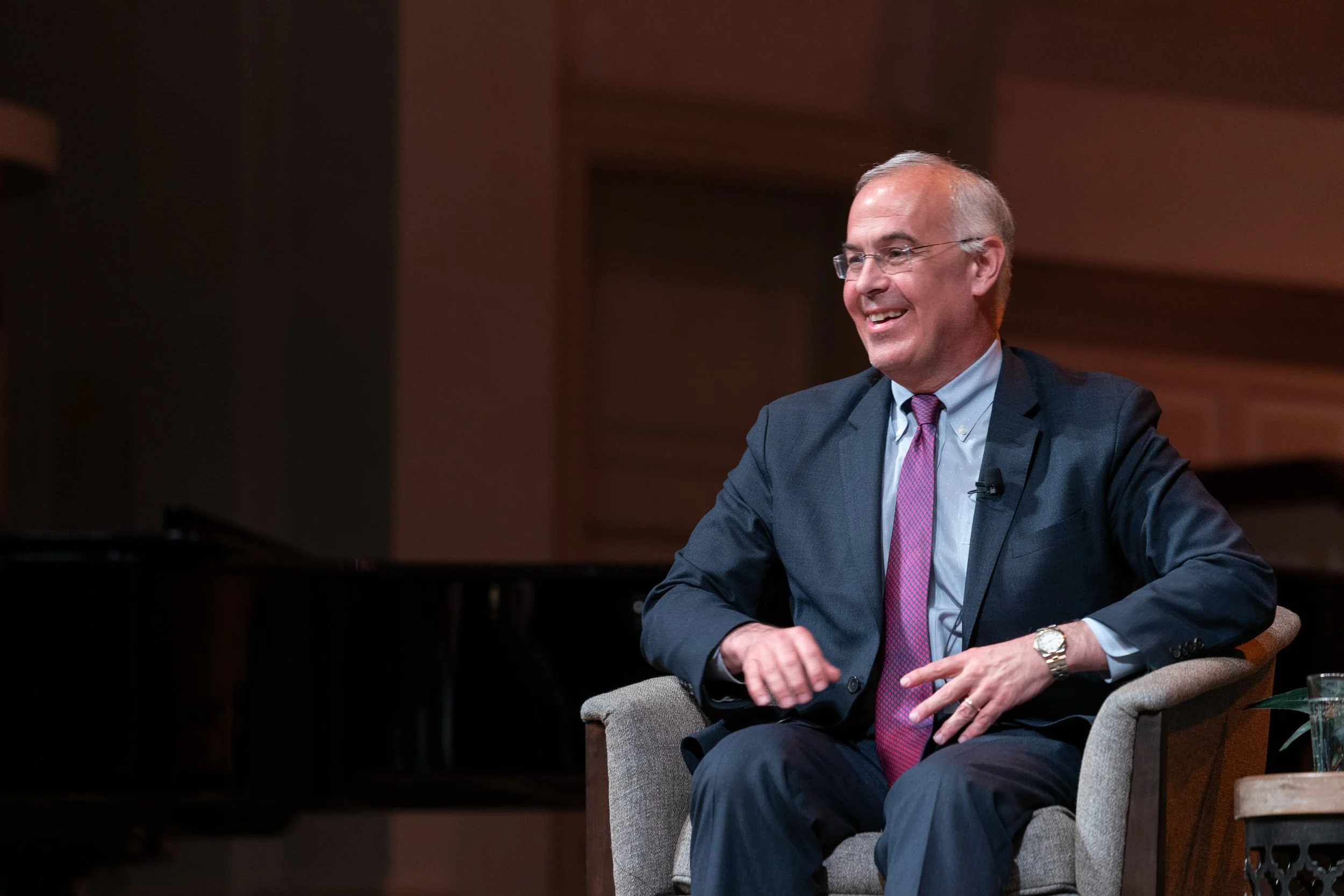
His final piece on January 30, Time to Say Goodbye, was one of his best, and if you take the time to read it, I think you will find it deeply meaningful as well as disturbing. Brooks touches on the nihilism that has swept across our country and the destructive narrative that so many Americans have embraced.
Brooks writes that America has “become a sadder, meaner and more pessimistic country” in recent years. He attributes this national nihilism to a loss of faith—in our institutions, our form of government, and even our religious convictions—that has eroded the spirit that made America the most successful democracy in history. Consequently, the “loss of faith has produced a belief in nothing,” other than self-aggrandizement. Today’s America has become obsessed with power, force, bullying, cruelty, greed, and ruthlessness. These barbaric values have been normalized and encompass everything from evangelical Christianity to politics.

Brooks believes that this nihilism has been decades in the making. He writes, “Multiple genertions of students and their parents fled from the humanities and the liberal arts, driven by the belief that the prime purpose of education is to learn how to make money.” Education is no longer appreciated as a path to become a better human being—more thoughtful, respectful of others, more tolerant, more sensitive—but merely a means to accumulate power and material possessions.
America has lost its belief and worship in the God of Scripture and replaced it with the worship of materialism. We have turned our backs on the scriptural warning that money is the root of all evil and have become slaves to the gods of greed, deceit, and power. America has lost its spiritual essence and vitality. We have bowed down before the golden calves of a hedonistic culture and lost our allegiance to the Common Good.
The qualities that make a human being truly human—religious devotion, literature, art, history, philosophy—have been replaced by hyper-individualism, moral indifference, and barbarism. America has replaced biblical faith with paganism, with a plethora of biblical terms that it bandies about with completely different definitions. This new religion knows nothing of personal sacrifice, humility, love, gentleness, compassion which are the hallmarks of biblical faith.
The question Brooks raises is, “How can we reverse this pervasive loss of faith?” For Brooks, the answer lies in a change in culture. We have been bewitched by politicians who exhibit the very worst in human nature and have, consequently, lost our spiritual identity. “You need a shift in thinking before you can have a shift in direction,” writes Brooks. America desperately needs a shift in culture.
He is not suggesting that we need to visit more museums or attend opera. By culture, he means developing a shared way of life—“a set of habits, rituals, popular songs and stories, and conversations” that can help us recover our moral gyroscope of honesty, decency, respect for others, and regard for all human life. We need to agree once again on a shared moral order. In today’s America, we can no longer even agree on what is true, what is beautiful or good or what is holy.
Yet nihilism is not preordained to dominate America’s future. We can shake off the materialistic extremism that has darkened our national horizon and recover the American spirit of optimism and hope.
Brooks believes that our culture can change because cultures are constantly influx; they are forever changing. He sees hope that culture can change on multiple levels, especially in higher education. He notes that campuses across America are revising their curriculum to include courses on moral formation, citizenship training and civic thought, civil discourse, and lessons on how to live a meaningful life.

If America can recover its spirit of optimism, hope, and trust in each other and our institutions, we can once again be well on our way to our Founder’s dream of forming a more perfect union. The present cultural nihilism need not be the last chapter in the grand experiment of a government “for the people, by the people,” a nation that will not perish from the earth. It will be a long hard struggle to reclaim America’s loss of faith, but it is a struggle worth fighting. Brooks closes his essay with a quote from Reinhold Niebuhr, one of America’s leading theologians and ethicists of a generation ago:
Nothing that is worth doing can be
achieved in our lifetime;
therefore we must be saved
by hope.