The Right to Complain
One of my top five all-time favorite movies is the classic war film The Great Escape, which premiered in London in 1963. I first saw the highly fictionalized gripping story while living on a SAC Air Force base in Mississippi when the Cold War was still very hot. Less than a year had elapsed since the Cuban Missile Crisis had threatened to push the world into World War III, and tensions were high.
My dad took my brother and me to the base theater to see the movie one Saturday evening. The theater was jam packed with officers and enlisted personnel. Even though the war had ended almost two decades earlier, many in the audience, like my dad, had fought in the war. The theater was crowded with people, and it took a few minutes to find seats where the three of us could sit together, but finally we managed to find space near the front.

When we sat down our dad began to explain that the film was loosely based on a true story of Allied prisoners who attempted an escape from a German prisoner of war camp in 1944. From the first few moments of the movie when the prisoners were caged behind wire fences, it was as if my brother and I were riveted to our seats.
There were several scenes when the audience of Air Force personnel roared with laughter and approval. The scene where the German Commandant asks Steve McQueen if all American officers were as disrespectful and obstinate as he was got the biggest response. When McQueen replied in the affirmative, the building shook with applause and laughter and not a few whistles.
Later, when the “Scrounger,” played by James Garner, chatted with a German guard in an attempt to gain his trust in order to blackmail him, the audience once again became animated. When the German guard complained about his army’s dentist, and then quickly apologized for his criticism, fearful of being sent to the Russian front, the “Scrounger” responded that it was the right of a soldier to complain. From somewhere in back of the theater I heard someone say, “Damn right!” My dad grinned with approval.
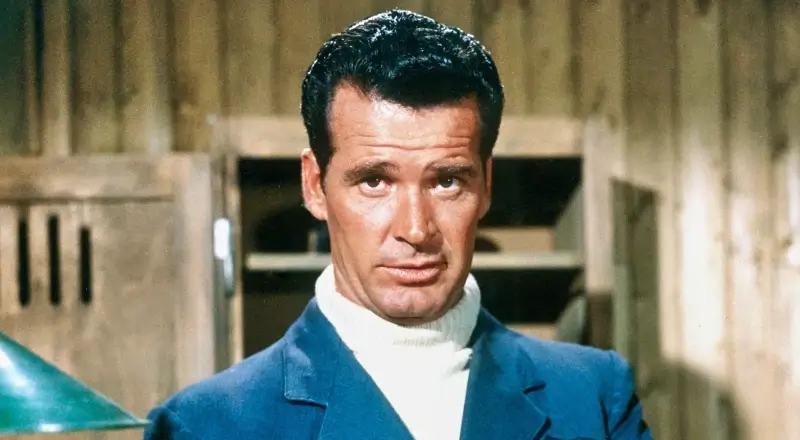
The “Scrounger,” played by James Garner
And then the line that has always stood out for me: The guard looked around the prison barracks to make sure no one was listening and then replied, “Maybe in your army but not mine.”
Strange how that exchange has stayed with me all these years. In America, citizens, as well as military personnel, have the right to gripe about things they don’t like. That’s what a democracy founded on the Constitution and Bill of Rights is all about, right? People have the freedom to voice their opinions even when they are unpopular or out of step with those who govern us.
What makes America’s form of government so unique from much of the rest of the world is the limitation of State Power. The Constitution and the Rule of Law protect citizens, and even those who are in our country unlawfully, from governmental overreach. In the United States the strong and powerful do not have the right to ill-treat or abuse the weaker or less influential members of society.
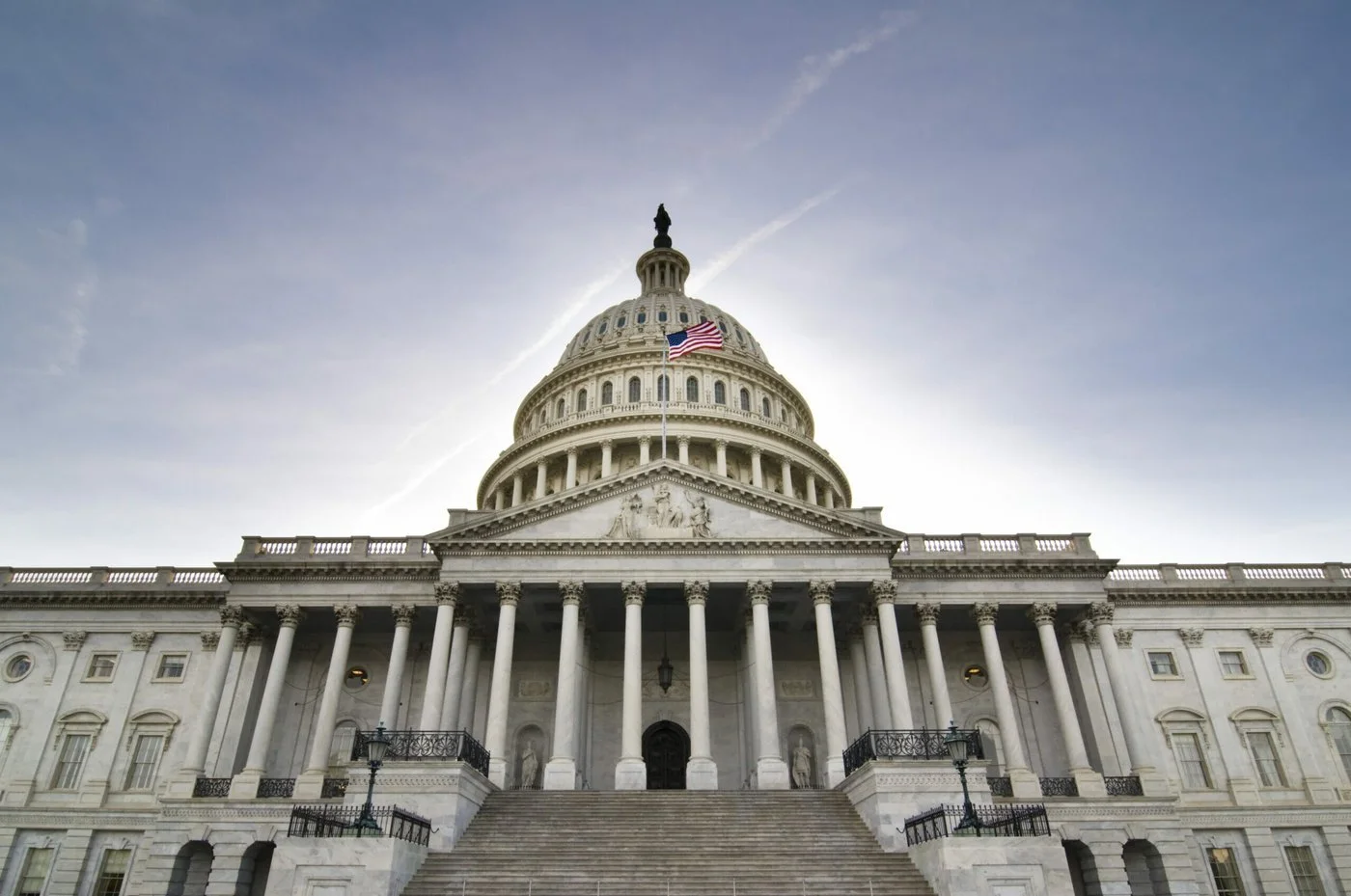
In Fascist nations the state has few if any limitations. The government’s power is unchecked and the fundamental rights that people in America enjoy, such as freedom of speech, the right to assemble, the freedom to worship, and the freedom of the press are either suppressed or eliminated. Totalitarian regimes do not tolerate dissent or criticism and control every aspect of public life.
The German guard’s response to the “Scrounger” in The Great Escape accurately portrayed the stark differences between a democratic state and a fascist state. In a fascist state one wrong word or criticism of the government could spell persecution or the end of a person’s life.
The past year has made me wonder if our great nation is on the verge of relinquishing those sacred freedoms. It feels strange to write such a sentence. “Of course,” someone might say, “people in America can speak their minds, voice their opinions, and criticize the government. That’s their right, the privilege of living in a free country. That’s the American way.”
Yet over the past year we have seen decorated military personnel investigated by the government for merely reminding the military not to follow illegal orders. These patriotic men and women have been threatened with court-martial for simply instructing military personnel to obey the Uniform Code of Military Justice.
We have watched on television citizens arrested and even placed in detention centers for voicing their opinions. CEOs have been punished for disagreeing with the prevailing powers in Washington. The press has been attacked and reporters have been indicted for doing their job. Funds, approved by Congress, have been withheld from Universities because of views that did not align with the government’s ideological agenda.
We have seen masked federal agents in unmarked vehicles smash car windows and drag people out. We have seen agents shoot and kill unarmed citizens in cold blood. We have seen opponents of the administration targeted by the government merely because they disagreed with a particular policy. We have seen court rulings disobeyed or ignored time and again.

It is inexplicable that significant and crucial evidence in what could be the most egregious crime of sexual trafficking in our nation’s history is being withheld by the government. Why is the billionaire class, the most powerful figures in America, being protected? Are we not all equal under the law? Furthermore, just recently, the President strongly condemned a decision by the Supreme Court and called the justices “lapdogs” and “fools.” What is he thinking? The undermining of the judicial system is the gateway to autocracy.
Party affiliation should be set aside in today’s political environment. If we stand idly by while someone else’s freedoms are being taken away, it is only a matter of time before our individual freedoms are taken away as well. The words of the German pastor Martin Niemoller speak powerfully to the present moment:
First they came for the socialists,
and I did not speak out—
Because I was not a socialist.
Then they came for the trade
unionists, and I did not speak out—
Because I was not a trade unionist.
Then they came for the Jews, and I
did not speak out—
Because I was not a Jew.
Then they came for me—and there
was no one left to speak for me.”
(Martin Niemoller, German Lutheran minister
interned in a German concentration camp for his
opposition to the Nazi Party)