Promises to Keep for the New Year
Two-a-day football practices, both in high school and college, were grueling experiences. To get out of bed and drag yourself to the field, just as the sun was rising in mid-August, for a two hour or longer workout and then return later in the afternoon heat for another two hours, tested the most resilient and committed athlete. Over the course of two or even three weeks of arduous practices, many would-be football players decided the price wasn’t worth it and quit.
Today, two-a-days are banned by both colleges and professional teams. Health experts and trainers realized that the twice daily practices placed too much stress on an athlete’s body. I wish they would have come to that conclusion back in the early 70s!

I remember those days well but not with fondness. When the alarm clock went off, I can’t ever remember thinking, “Wow! Awesome! Another two-a-day practice. I can hardly wait!” The truth of the matter is, I didn’t even think about whether I wanted to practice or not. I just did it, as did most of the other players on the team who suffered through those challenging days.
If I had spent time thinking about what awaited me on those hot summer days, I may have decided to skip a practice or two or maybe even quit altogether. But I never really thought about not going to practice when the buzzer went off at 5:30 in the morning. Getting up and going to practice was just something I did, regardless of how I felt. Feelings had nothing to do with it.

Much earlier, maybe as far back as the 5th grade, I decided I loved football and wanted to be a football player. I committed or promised myself that I would do my best to be part of the team and contribute in any way I could. That promise locked me in to doing whatever it took to be the best I could be. If two-a-days would help me be a better player, then the issue was settled.
The commitment I made early in life set aside any feelings of whether I wanted to practice. The decision to pay the price had been made years earlier. I loved the sport, and although I struggled through two-a-days like everyone else, the hardships and challenges didn’t dissuade me from staying true to my promise.
I’m a big believer in making promises and commitments and keeping them. Yes, there are times when promises can’t be kept or even shouldn’t be kept, when the promises were ill-conceived or might harm ourselves or someone else. Overall, though, promises serve as stabilizers that guide us through the turbulent ups and downs of life. Without these balancing mechanisms, our lives will be subject to the prevailing winds of culture or our own individual emotional moods.
Keeping promises is not in vogue these days. People don’t want to make commitments because they want to be free to do things on the spur of the moment and not be tied down. People desire the freedom to do as they please, whenever they please. In the culture of today, people often choose to live by their feelings as opposed to promises.

But without commitments we end up allowing our feelings to control and dominate us. By and large, feelings lead us to take the path of least resistance. When we allow feelings to drive us, they can cloud our judgement, making the easy way appear like the best way.
How often have we regretted an impulsive decision that backfired? We may laugh now at the excessively expensive car we bought that put us in debt or the piece of furniture we really couldn’t afford or the cuddly puppy in the kennel that we just had to take home with us, but it didn’t take long to think, “What in the world have I done?” My wife still teases me about a car I purchased in my early 30s that we could not afford. And to make matters worse—and things can always get worse when we act impulsively—the car was a colossal lemon!

Feelings play an important role in every human life, but they must be balanced with reason and judgement. Much like an airplane requires two wings to fly, we need both feelings and rational thought to guide us in our decision making.
The danger, of course, is that our feelings have such an inordinate pull on us. Feelings tend to take over the decision process and blind us to what is in our best interest.
The promises and commitments we make have a way of freeing us from becoming prisoners of our feelings. Promises keep our emotions in check, allowing us to be guided by thoughtful deliberations and not mere instinct or whim.
I suppose many of us have made New Year’s resolutions, that is, promises we have made to ourselves—to exercise more, to lose some weight, to read more, to watch less television, etc. Some of us may have gained some unwanted pounds over the past year and have promised to lose the extra appendage. We may stick to our diet and exercise program through the first several months with little difficulty, but with each passing month, the temptation to slacken off becomes greater. Feelings can overpower our promises.
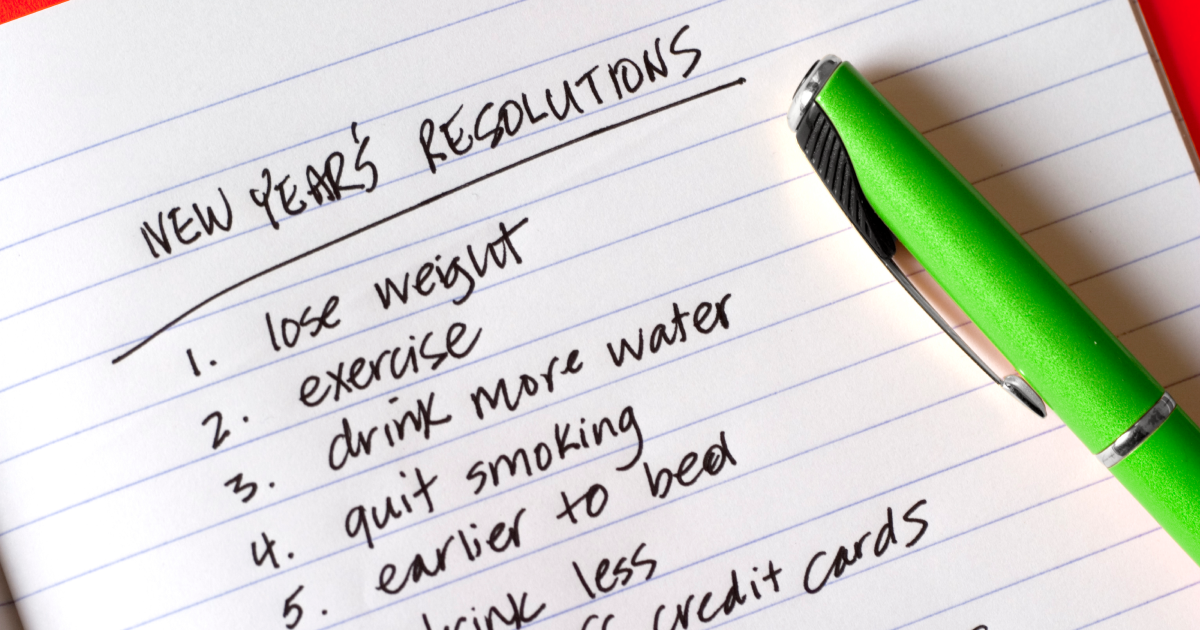
But, remember, you’ve made a promise to yourself. It’s something you know you should do. So there’s nothing more to think about. It’s a promise. A commitment. It doesn’t matter that you don’t feel like doing it. A promise is a promise. Now, just do it!