Protests in America
There is nothing more American than the peaceful protests of governmental actions or policies that citizens believe to be illegal or immoral. In the years leading up to the American Revolution, patriots demonstrated against the British crown, and after the War for Independence protests against the government were enshrined in the Bill of Rights, which guarantees freedoms of speech, assembly, and petition.
As a teenager, I witnessed first-hand the peaceful protests of Black Americans, as they marched for civil rights throughout our country. Law enforcement officials frequently used tear gas and dogs to intimidate and frighten the Black marchers into submission. It didn’t work.
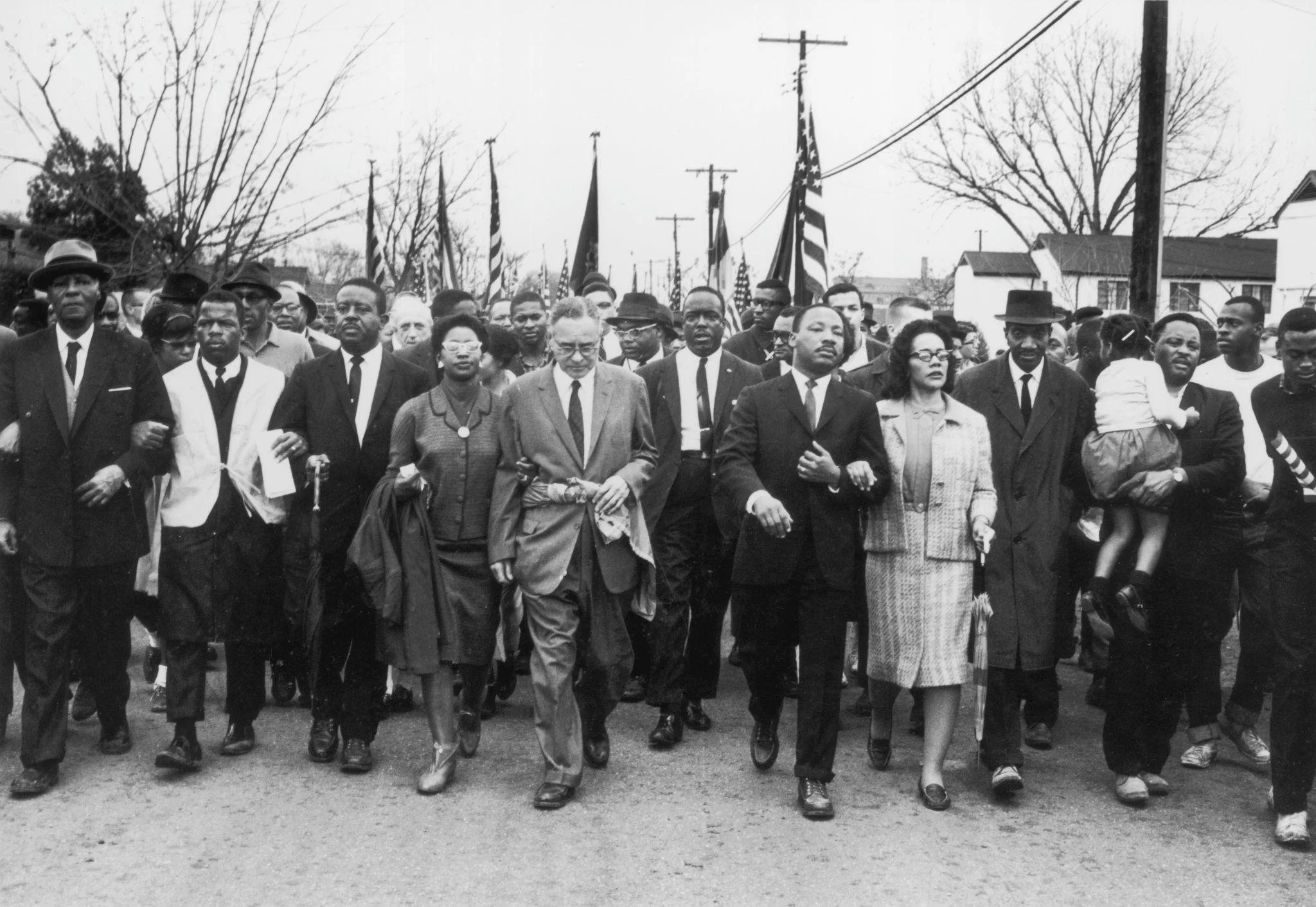
Watching Black men, women, and children assaulted by police officers on the evening news, attacked by guard dogs, and sprayed by fire hoses, millions of Americans woke up to the injustices the Black community had faced for centuries. In 1964, the Civil Rights Act was passed outlawing discrimination based on race, color, religion, sex, or national origin.
I well remember the peaceful protests of Kent State students against the Vietnam War in May, 1970. As the students marched, chanted, and held signs, the National Guard shot and killed four unarmed students and wounded nine others for practicing their Constitutional right. I was politically agnostic at the time but the experience left an indelible impression on me. How could government agents murder defenseless Americans?
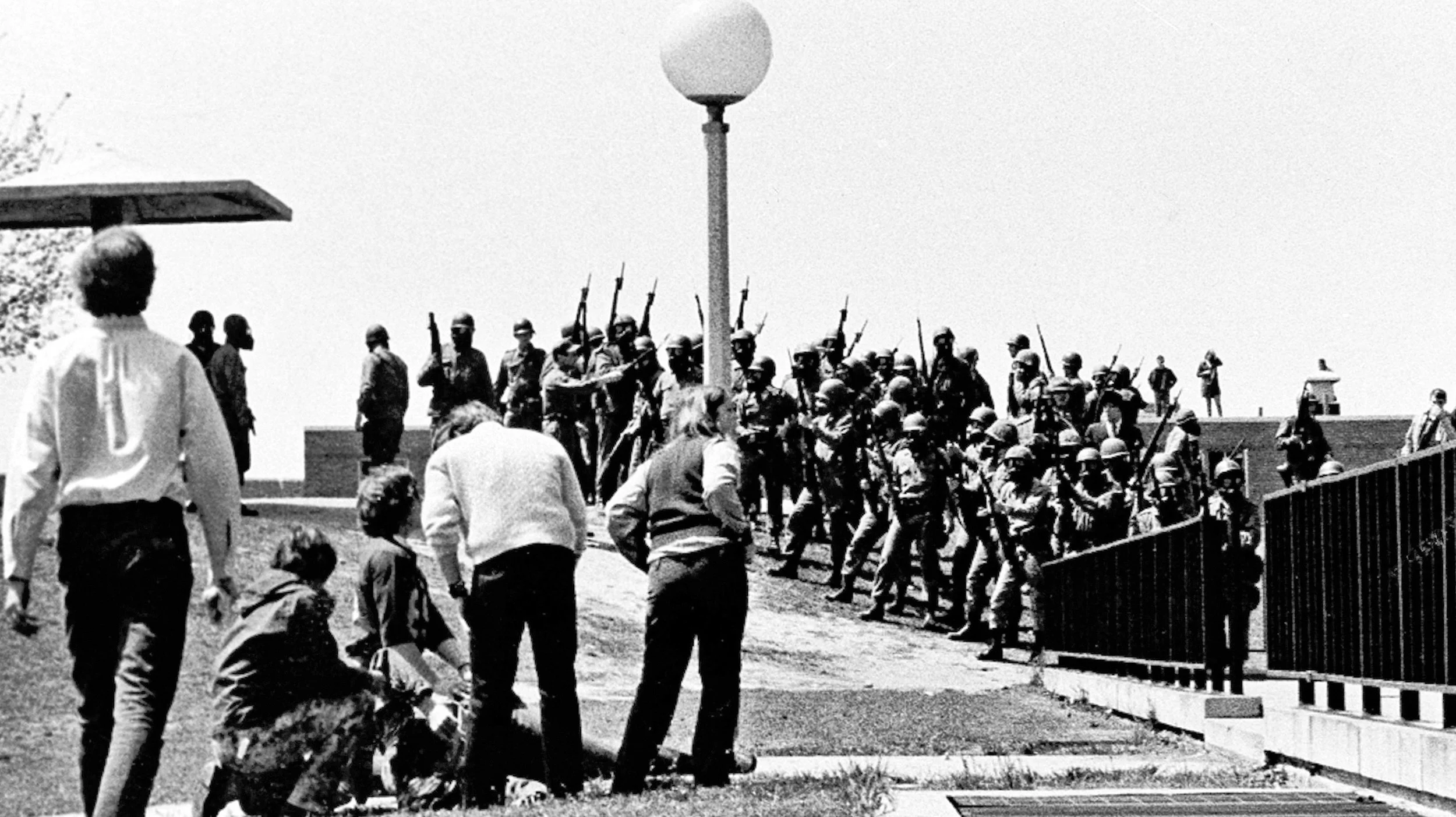
The incident triggered feelings within me that I had never felt before. For the first time, I realized that the American people had not only a right to protest but the responsibility to raise their voices in dissent when the actions of the government were immoral or unjust.
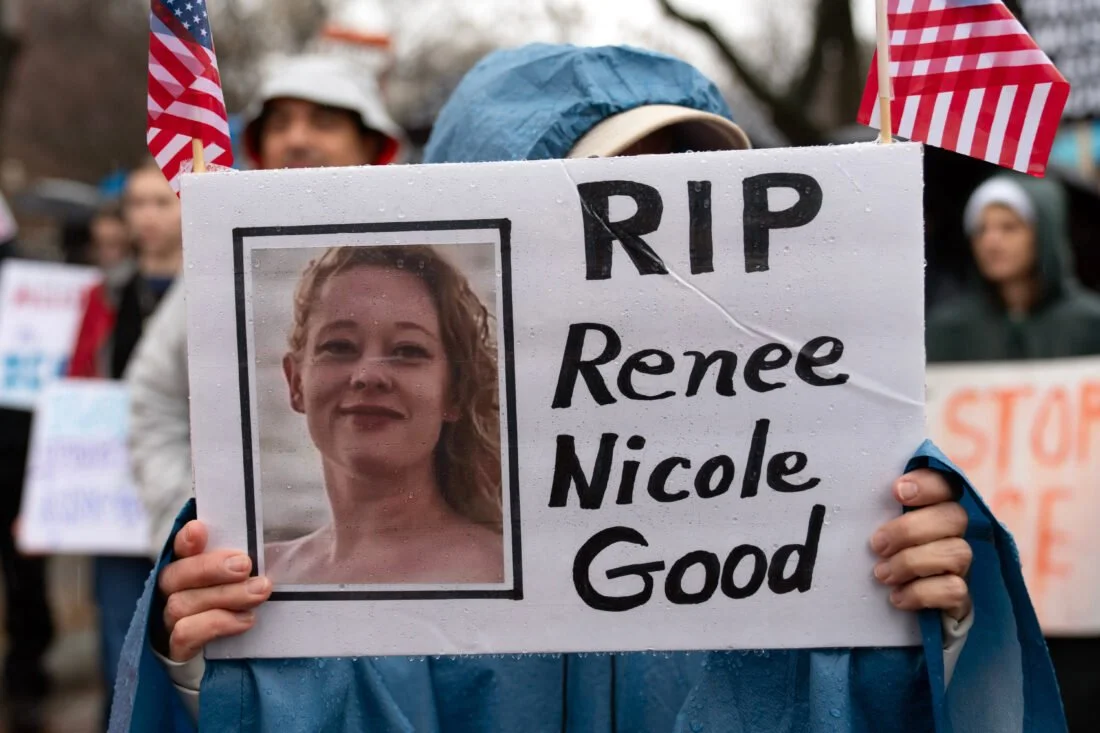
Over the past few weeks, we have seen with our own eyes both Renee Good and Alex Pretti killed by federal agents. I have watched videos of both killings over and over again, as have millions of Americans. Regardless of what our government continues to tell us, neither deaths appear justified.
Renee Good’s last words to the federal agent who shot her were, “I’m not mad at you.” She then turned her car wheels away from the agent and attempted to drive away, when he shot her three times. She had just dropped her child off for school and had a dog in the back seat, hardly a terrorist intent on murder, as the government claims.
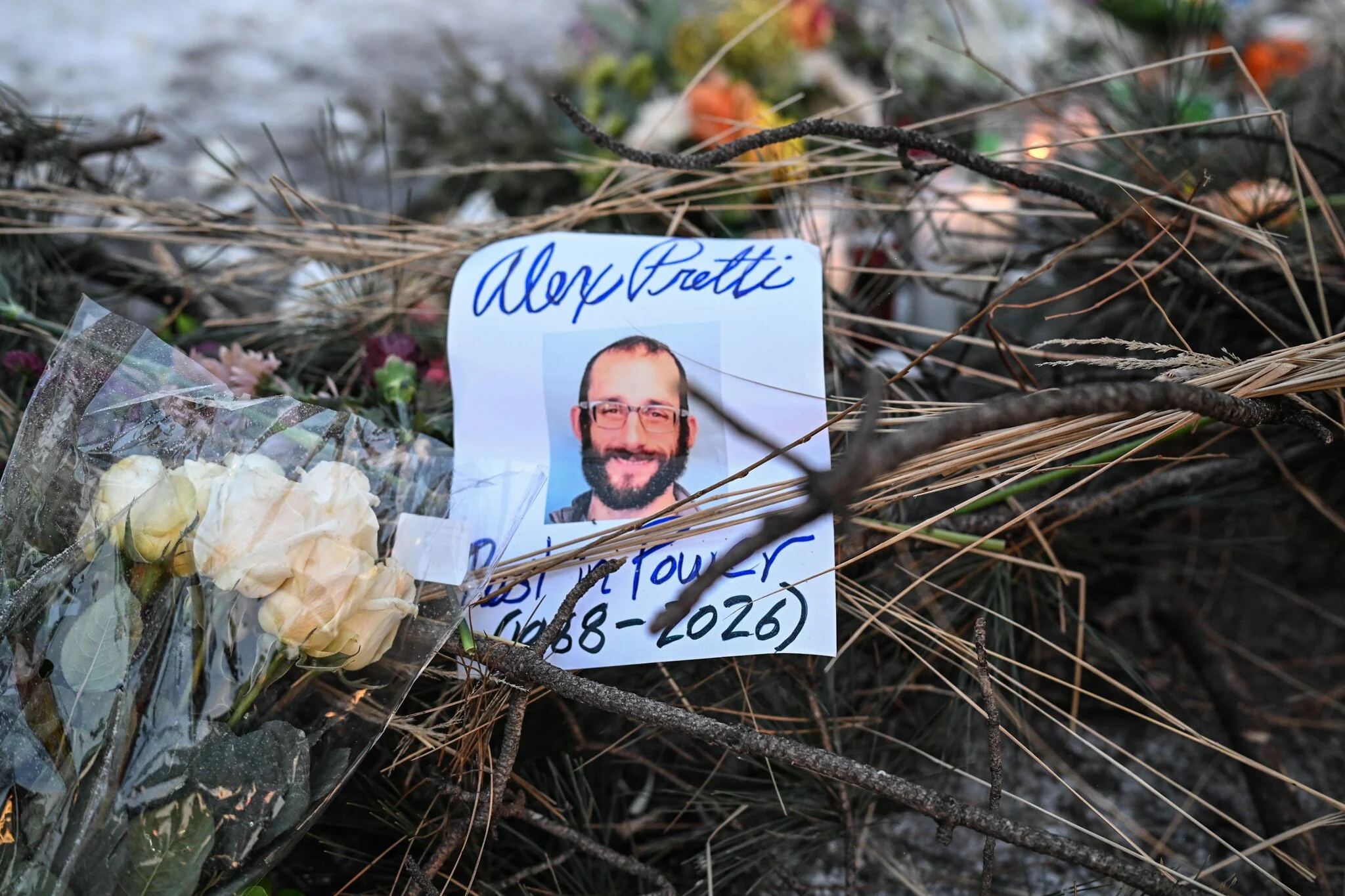
Alex Pretti was trying to assist a woman, who had been shoved to the ground by a federal agent, when he was wrestled to the pavement by four, five, or more federal agents. His final words, as far as we know, were addressed to the woman he was trying to help when he said, “Are you okay?”
As agents subdued him, his licensed gun was taken, and then, and only then, did the agents open fire and shoot him ten times. Videos clearly show he was never a threat. He was on his knees, one hand raised in the air while the other hand held a cell phone.
Once again, the government accused a peaceful protester of being a terrorist, intent on doing maximum harm to law enforcement officials. There is no evidence to support the government’s claims.
Mr. Pretti was an ICU nurse at a V.A hospital. From statements of people who knew him, including his supervisor, Pretti was a caring and compassionate man who was deeply committed to his patients. He apparently became involved in the Minneapolis protests when he witnessed his neighbors being targeted and assaulted by ICE and Border Control agents on the streets of his beloved community.
In one video, almost two weeks earlier, Pretti can be seen kicking out a taillight of a federal official’s SUV. While we don’t know what precipitated the incident, Pretti’s actions raise a lot of troubling questions. Why didn’t the agents simply arrest him? Instead, they jumped out of their vehicle and threw him to the ground and severely beat him, perhaps breaking one of his ribs. Why did Pretti kick the taillight out? Had he witnessed an assault on a neighbor? What provoked him? Why did he act so out of character? Many questions, but few answers.
If these kinds of acts of violence had taken place in the Sudan, Congo, or Iran, we would shake our heads in dismay and thank God we live in a country where the Constitution and Rule of Law protect demonstrators. It is beyond comprehension that our country has descended into such chaos, chaos that is clearly avoidable.
What we do know is that if federal agents continue pulling people out of cars, barging into homes without warrants, placing five-year-olds in detention centers, pepper spraying peaceful protestors, and shooting unarmed people, more and more citizens will act out of character. Witnessing human injustices has that effect on normally good-natured citizens.
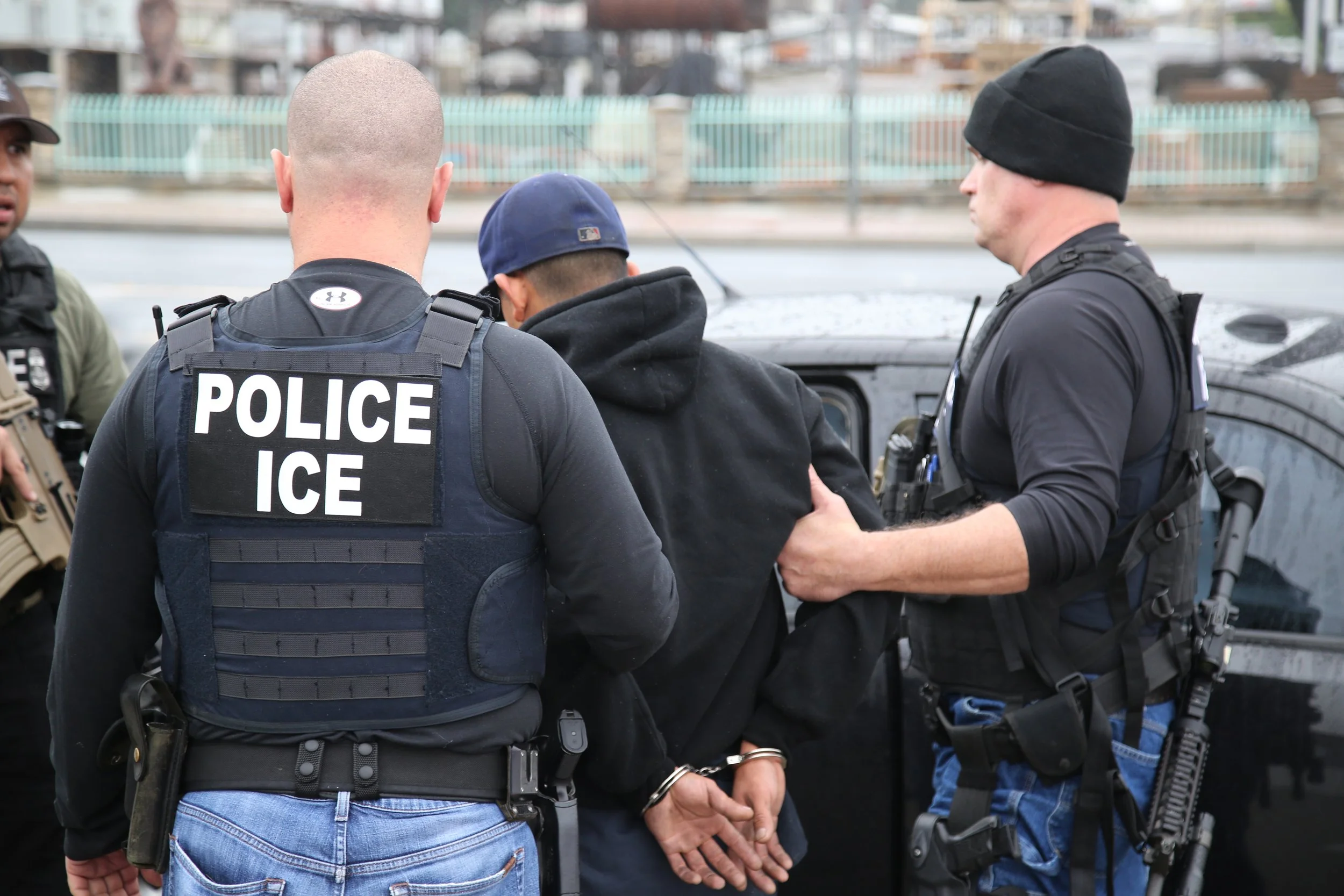
Immigration has long been a perplexing and controversial issue in American politics. During some presidential administrations, a strict immigration policy has been enforced, but at other times a more lax attitude was practiced. Under President Ronald Reagan, for example, nearly three million undocumented people were granted amnesty.
Even then, few lawmakers advocated open borders, but unfortunately, little Congressional legislation has been passed that would protect the border while at the same time allow for lawful immigration into our country. In the winter of 2024, a bipartisan bill could have gone a long way to improve our border problems, but was cratered by politics. It goes without saying, America has greatly benefited from immigrants from all parts of the world. We would be a far lesser country without their intellectual, cultural, and religious contributions. Surely a balance can be found that would protect our borders while welcoming immigrants into our country.
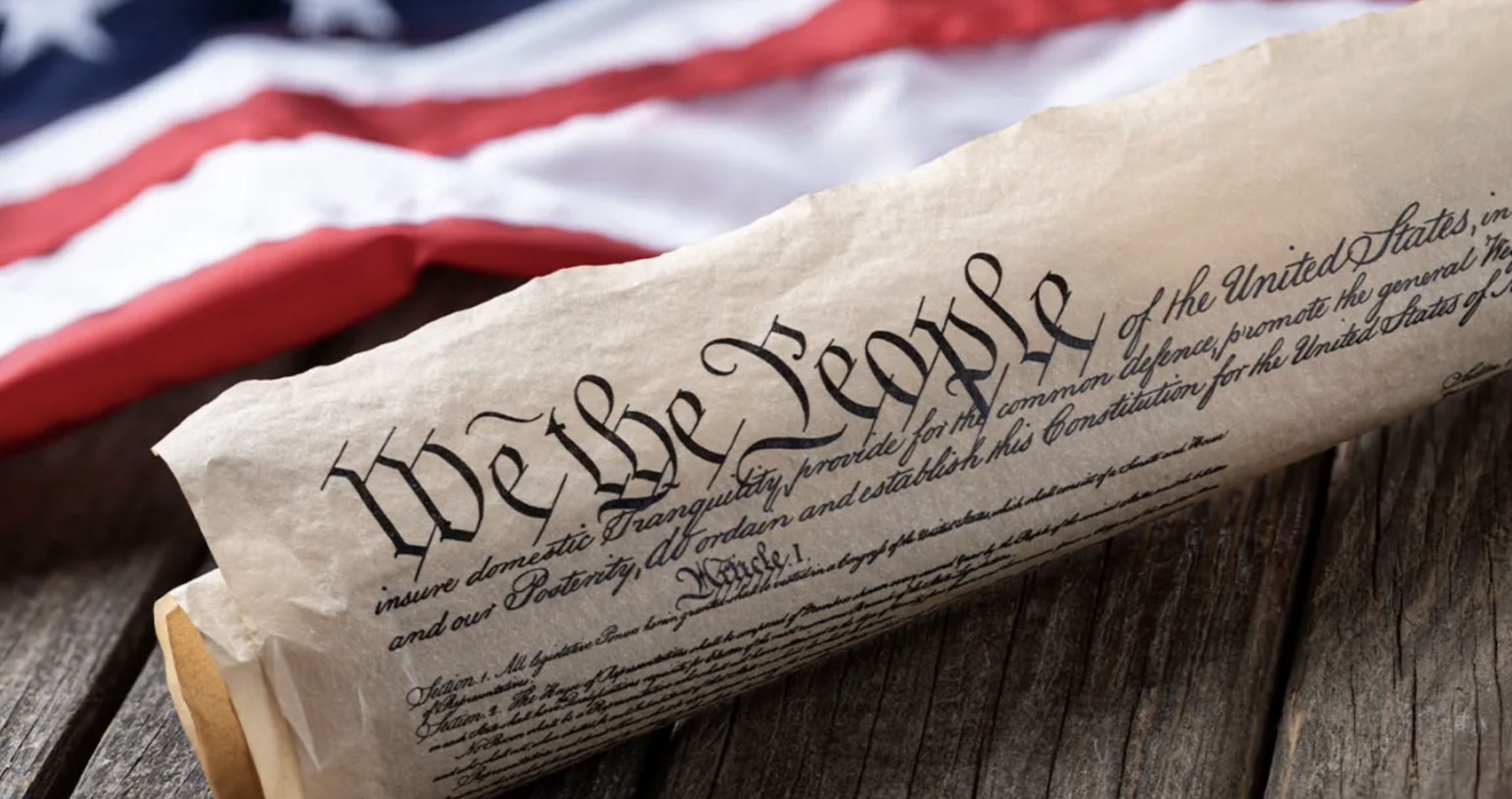
As an American and a person of faith, my views on immigration are shaped by the Constitution, the Rule of Law, and Scripture. The Constitution provides asylum to anyone who stands on U.S. soil, meaning that anyone who makes it to our shores has the right to claim protection, as their case makes its way through the judicial system.
Moreover, the American sense of justice would find it abhorrent to suggest that any suffering person should be called illegal. Our American values have historically been compassionate to those who are needy and whose lives are in danger. After barring Jews from entering the United States during the Second World War, laws were enacted to make it easier for persecuted people to claim asylum in the U.S.
Finally, the God of Scripture is especially compassionate to the poor, the refugee, and the stateless. Israel was once a refugee people, as were Mary and Joseph, when their family had to flee to Egypt to escape Herod’s murderous plot to kill the baby Jesus. God reminds his people to treat foreigners as though they were family.
The foreigner living among you must be treated
as one of your native born. Love him as yourself (Lev. 19:34).
And you are to love the alien, for you
were once aliens in Egypt (Deut. 10:19).
Do not mistreat or oppress the alien… (Exod. 22:21).
These are only a few sample verses in the Old Testament that instruct Israel to accept aliens with open arms. There are many more.
In the New Testament, Jesus tells the story of how Elijah reached out to the widow of Zarephath, a non-Jew, when God had turned away from Israel. Likewise, Naaman, the Syrian, was healed of his leprosy by Elisha when God refused to heal the lepers in Israel (Lk. 4:24-27). And one of my favorite stories in Scripture is of the Good Samaritan, also a non-Jew foreigner, who Jesus commends for helping a left-for-dead Jewish traveler. Jesus even tells his disciples to “go and do likewise” (Lk. 10:25-37). Scripture calls for people of faith to treat the stranger, foreigner, and refugee with respect, dignity, and love.
I cannot possibly believe that what we are seeing in Los Angeles, Chicago, Portland, Minneapolis, and so many other cities represent the mindset of most Americans. I think our government, as it has been in times past, is out of step with the vast majority of our citizens. It is time once again for Americans to hold our government accountable. For not only people but nations as well will be judged by how they treat the “least of these” (Matt. 25: 31-46).